The core trade-off between the two models
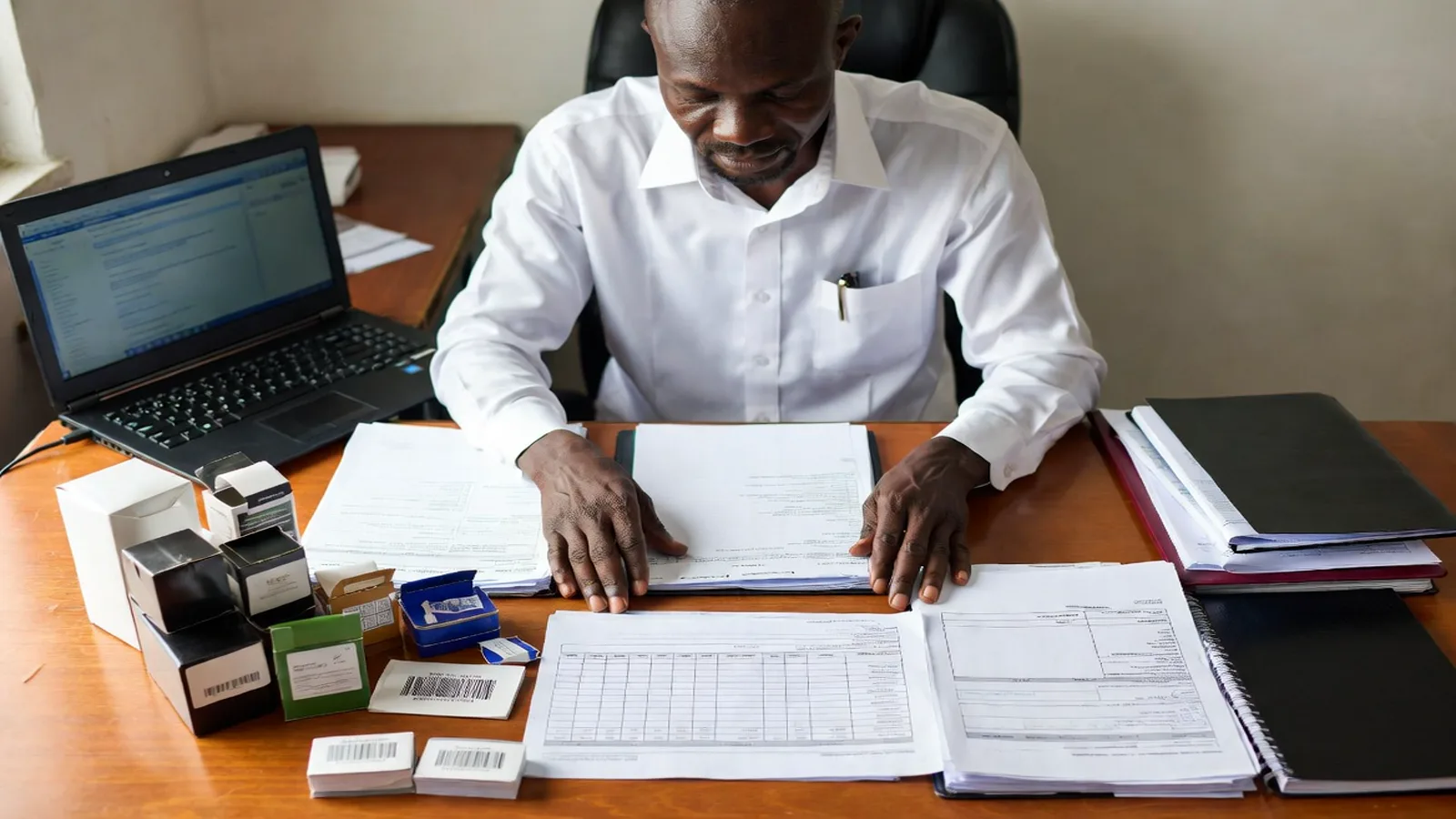
Building an in-house field sales team gives a brand direct control over how its products are sold, managed, and represented in every retail account. The brand sets the standards, monitors compliance directly, and can respond to market changes through its own people without coordinating through an external partner. The cost is fixed, the relationship is direct, and the intelligence flows back to the brand without intermediary interpretation.
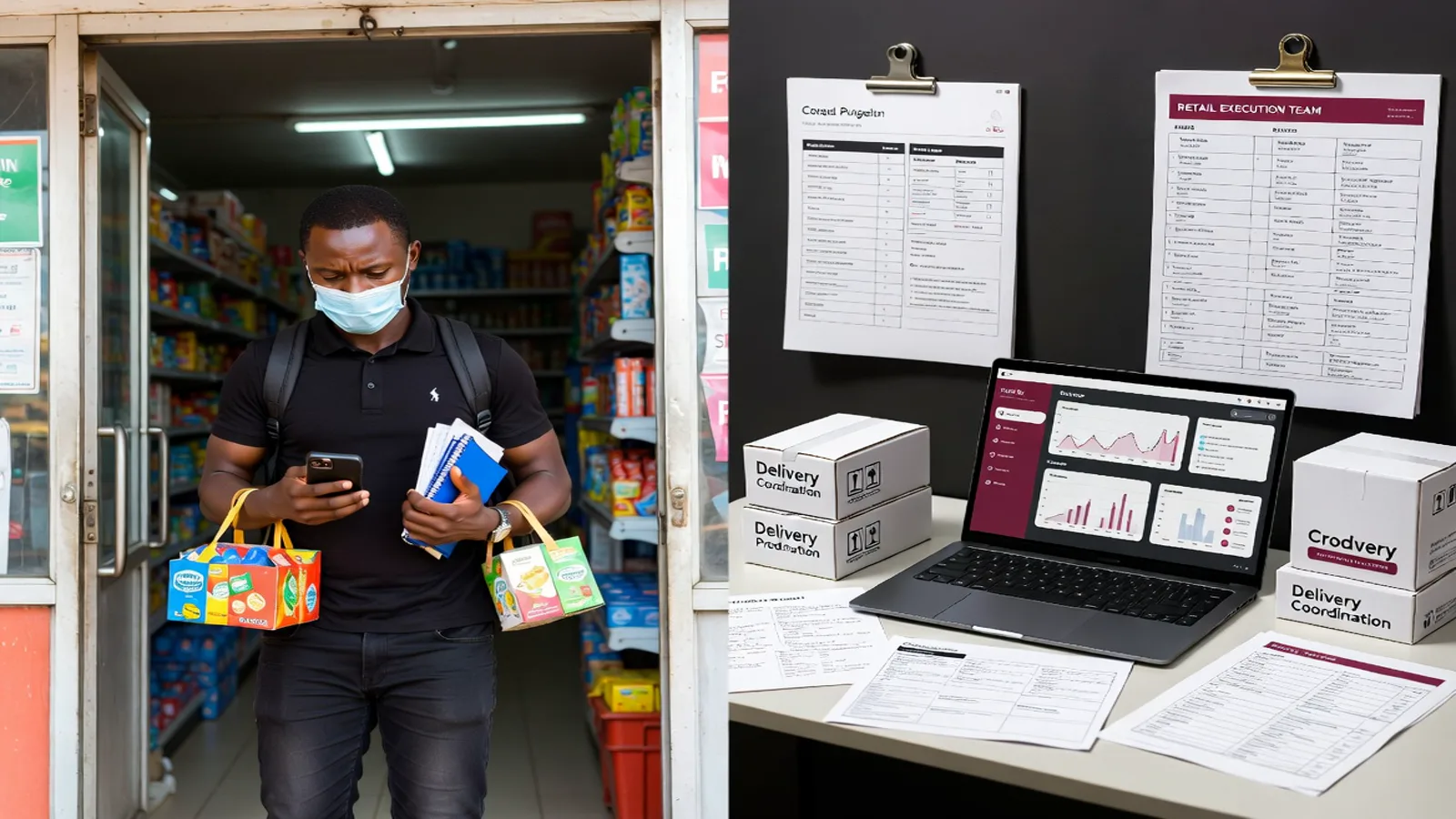
Using a distribution partner transfers operational control in exchange for operational capability. The brand accesses an existing field team, an existing retailer network, and an existing logistics infrastructure without paying to build it from scratch. The cost is typically variable rather than fixed, which reduces downside risk. The trade-off is that the brand depends on the partner's standards, culture, and priorities rather than its own.
When in-house field sales makes sense
An in-house field sales team makes commercial sense when a brand has reached sufficient scale to absorb the fixed costs without the per-unit field cost becoming uncompetitive. For a brand generating ₦100 million or more in monthly retail revenue across 50 or more active accounts, the economics of a dedicated field team begin to work in its favour relative to a partner margin structure.
In-house also makes sense when control is more important than cost. A brand with a highly specific shelf presentation requirement, a premium product that demands a particular type of buyer interaction, or a promotional strategy that requires real-time field response will find that the dependency on a partner's priorities creates friction that an owned team eliminates.
Finally, in-house makes sense when the brand's retail presence is concentrated in a geography where it can achieve efficient route density. A field team covering 30 stores within a 10km radius of Lagos Island is commercially viable. The same team covering 30 stores spread across Lagos Island, Lekki, Ikeja, and parts of Ogun is much less efficient.

When a distribution partner makes sense
A distribution partner is the right choice for brands that are at an earlier stage of modern retail development, where the fixed cost of an in-house field team would precede the revenue needed to sustain it. If your brand is generating less than ₦30 million in monthly modern trade revenue, building a field team ahead of that revenue creates a cash flow problem that a partner structure avoids.
A partner also makes sense when the retailer relationships you need are relationships that the partner already has. DALA's active relationships with 300+ stores across Lagos and Ogun State took years to build. A brand that is trying to enter modern retail for the first time cannot replicate that network in six months regardless of budget. Accessing it through partnership compresses the timeline from years to months.
The working capital benefit of a partner with guaranteed payment cycles is also significant for earlier-stage brands. When a distribution partner like DALA guarantees 30-day payment cycles to brand partners, the brand's cash flow planning becomes dramatically simpler than managing 30 to 60-day terms across dozens of individual retail accounts.
The hybrid model: what it looks like in practice
The most sophisticated FMCG operations in Nigeria use a hybrid model: a distribution partner for geographic reach and operational infrastructure, with in-house brand managers who oversee the partnership, manage strategic buyer relationships, and make decisions about category investment and promotional strategy.
In this model, the in-house team does not do fieldwork. They manage the partner relationship, analyse the data the partner provides, make decisions about where to invest promotional budget, and handle the buyer conversations that benefit from a direct brand presence. The partner team handles deliveries, shelf checks, documentation, and day-to-day buyer communication.
This separation of responsibilities plays to each party's strengths: the partner's operational infrastructure and retailer relationships, and the brand's product knowledge and strategic direction. The hybrid model is typically more effective than either pure in-house or pure partner approaches for brands in the mid-growth phase.
Questions to ask before making the decision
Before committing to either model, a brand should work through five questions. What is our current monthly modern trade revenue, and what do we project it to be in twelve months? What does a field team cost fully loaded, and does our projected revenue support it? How many active retail accounts do we currently manage, and in what geographic spread? Do the retailers we want to be in have existing relationships with any distribution partners we could access? And what is the opportunity cost of the management time we would spend building in-house field capability versus other priorities?
The answers to these questions almost always point clearly to one model over the other for any given brand at any given stage. The brands that get into difficulty are the ones that choose the more ambitious model before they have the revenue to support it, or the ones that stay with a partner model longer than their scale justifies and lose the control and margin that in-house would provide.
DALA's team can walk through this assessment with any brand that is trying to decide which model fits their current position.