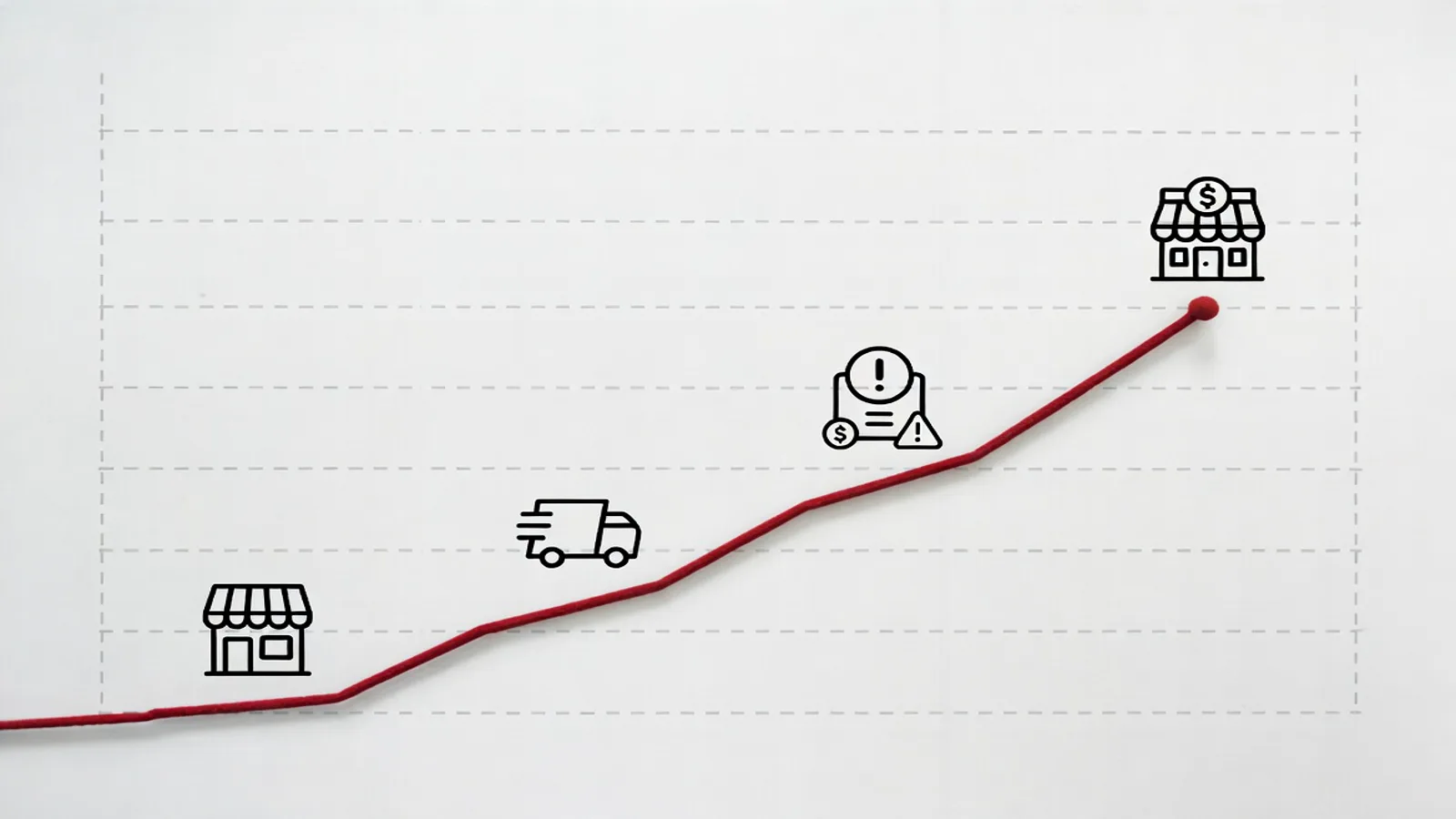
The three phases of modern trade growth
Nigerian FMCG brands moving through modern trade distribution typically pass through three distinct phases, each with different operational requirements, different financial pressures, and different strategic priorities. Understanding which phase your brand is in determines what actions will accelerate growth and what actions will create problems.
The three phases are: Proving Phase (1–15 accounts), where the primary goal is demonstrating that the product sells and identifying the right account profile. Scaling Phase (15–50 accounts), where the primary challenge is operational capacity and working capital. And Optimising Phase (50–100+ accounts), where the primary focus shifts to depth of performance within a defined account portfolio rather than breadth of new listings.
Phase 1: Proving phase (1–15 accounts)
1–15
Accounts in proving phase
3–6
Months to validate velocity
₦300K+
Monthly revenue per account needed to proceed
2–3
Account types to test (flagship, mid-size, neighbourhood)
In the proving phase, the objective is to find accounts where the product sells at a velocity that justifies the listing cost, and to understand which account type and which area profile generates the best performance. Brands in this phase should resist the temptation to add accounts quickly, because spreading thin across 15 poorly managed accounts generates worse data and worse revenue than intensely managing 5–8 accounts well.
Phase 2: Scaling phase (15–50 accounts)
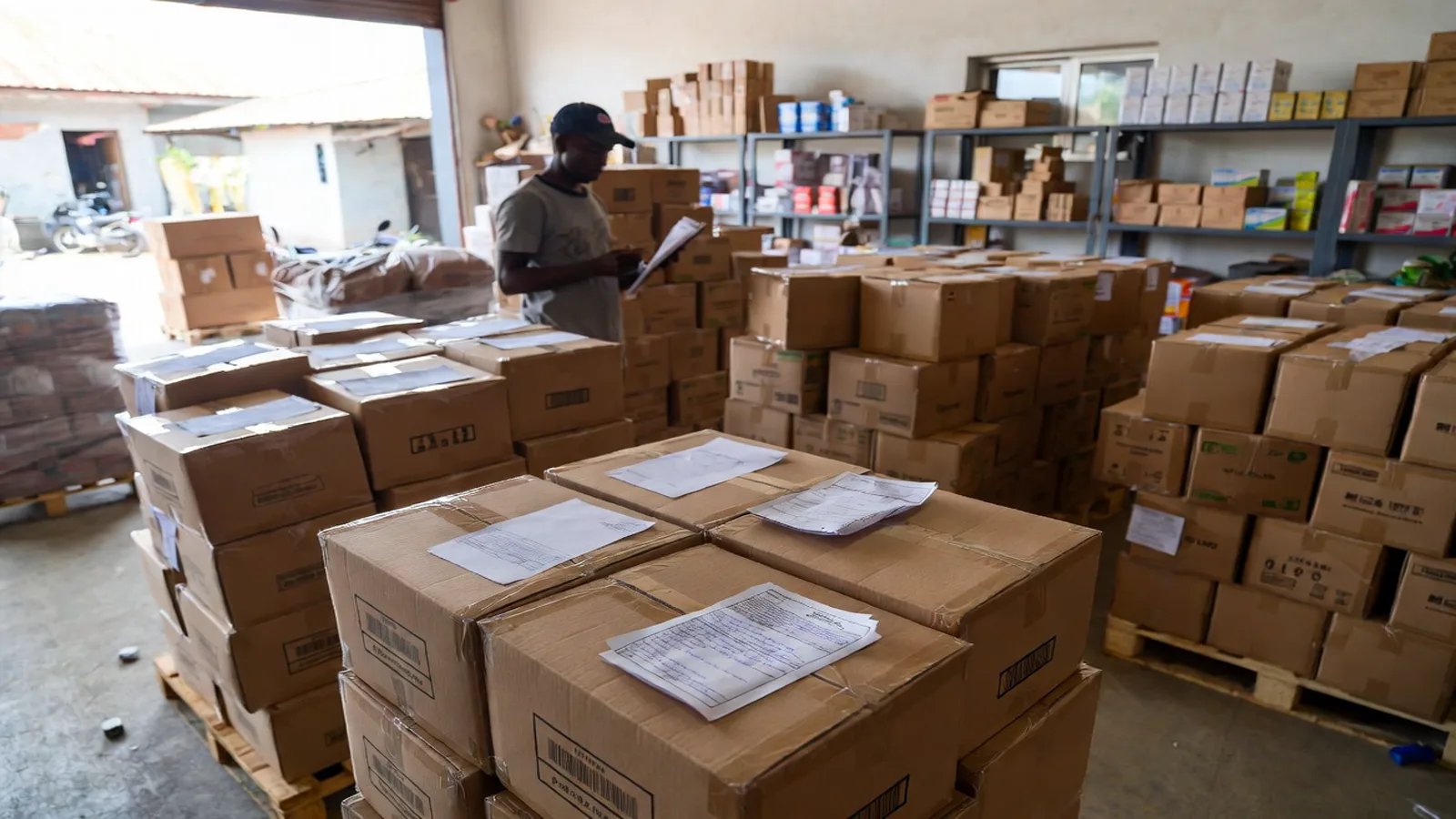
The scaling phase is where most Nigerian FMCG brands run into operational and financial problems. Growing from 15 to 50 accounts multiplies the working capital requirement by approximately 3x, the field management requirement by 3–4x, and the complexity of delivery logistics by 3x. These requirements cannot be managed at 15-account intensity using the same approach: a founder personally visiting stores once a month is sufficient for 10 accounts but catastrophic for 40.
| Capability | At 15 Accounts | At 50 Accounts | At 100 Accounts |
|---|---|---|---|
| Field reps needed (weekly visits) | 1 | 3 | 5–7 |
| Working capital (60-day terms) | ₦3M | ₦10M | ₦20M+ |
| Deliveries per week | 4–6 | 15–20 | 30–40 |
| Account data points/week | 30–45 | 100–150 | 200–350 |
Illustrative figures. Weekly visit frequency assumed throughout.
Phase 3: Optimising phase (50–100+ accounts)
By the time a brand has 50–100 modern trade accounts, the primary lever for growth is no longer adding new accounts but improving performance in existing ones. The average brand with 80 accounts will find that 20 of those accounts generate 60% of revenue. The other 60 accounts are low performers, and many of them are consuming field and logistics resource disproportionate to their revenue contribution.
The optimising phase requires making explicit decisions about which accounts to invest in, which to manage at minimum viable service level, and which to consider delisting. These are commercially uncomfortable decisions, but the brands that make them emerge with a leaner, higher-performing portfolio and more resource available to deepen execution in the accounts that actually drive growth.
What DALA data shows about growth trajectories
Among brands that have partnered with DALA from the scaling phase, the average time from 15 to 75 active, well-performing accounts is 8–14 months. This is faster than brands scaling in-house, primarily because the operational infrastructure (field team, delivery logistics, account management) is already in place and calibrated to Lagos modern trade, rather than being built from scratch.
The fastest-growing brands in the DALA network are not the ones launching into the most accounts simultaneously. They are the ones that move deliberately from proving to scaling, ensure operational foundations are correct before adding accounts, and use account performance data to guide which stores to prioritise. Partner with DALA to access this growth framework for your brand.