
Which products require NAFDAC registration
The National Agency for Food and Drug Administration and Control regulates a broad range of consumer products in Nigeria. If your brand operates in any of the following categories, NAFDAC registration is a legal requirement before you can sell commercially: packaged food and beverages, bottled and sachet water, cosmetics and personal care products, drugs and nutritional supplements, medical devices, and veterinary products.
Brands that attempt to supply supermarkets without current NAFDAC registration face two risks. The first is legal: operating without registration is a criminal offence under the NAFDAC Act, with penalties that include product seizure and factory shutdown. The second is commercial: no reputable supermarket chain in Nigeria will list your product without a valid NAFDAC registration number on the label. The buyer will ask for it before a first order is placed.
Some product categories do not require NAFDAC registration but fall under other regulatory bodies. Textiles and packaging materials are regulated by SON. Electronics fall under different agencies. If you are uncertain whether your specific product category requires NAFDAC registration, the agency's product registration portal provides guidance by category.
The two registration pathways: full and expedited
NAFDAC offers two main registration pathways for most product categories. The standard pathway involves a full product dossier submission, laboratory analysis of the product, facility inspection if applicable, and a review period that can run from three to twelve months depending on the category and the completeness of the application.
The expedited pathway is available for products that are already registered in countries with equivalent regulatory standards, or for products that qualify under specific fast-track criteria such as essential medicines. The expedited pathway can reduce the timeline to six to eight weeks in straightforward cases.
For most Nigerian FMCG brands launching new products, the standard pathway applies. The timeline depends heavily on how complete and accurate the initial application is. Applications that are returned for missing information restart parts of the review process, which is the single most common cause of registration delays extending beyond the standard window.
Documents required for a standard application
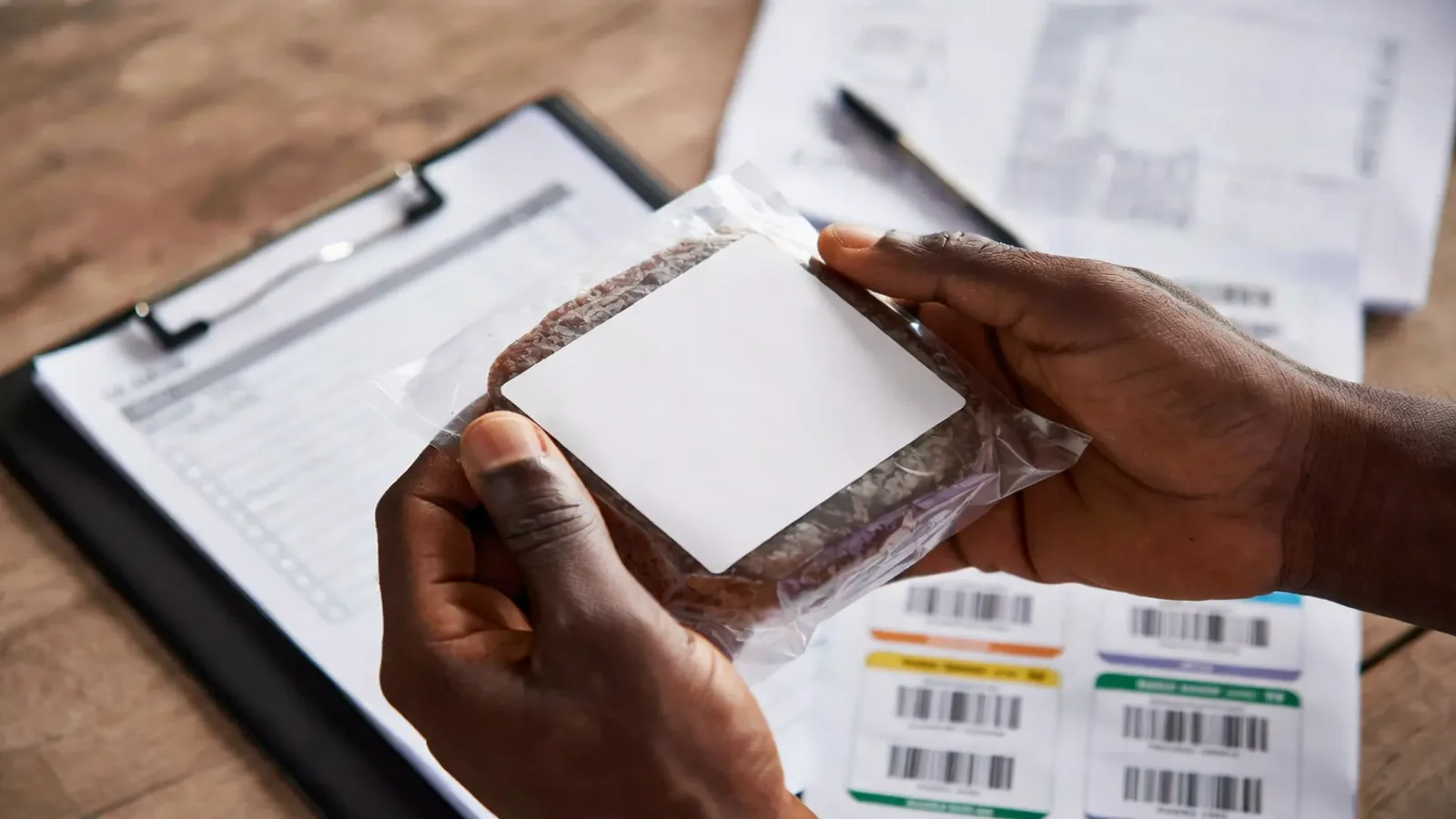
Gathering the right documentation before submission is the fastest way to avoid the delays that extend most NAFDAC applications. The core documents for a food or beverage product application include: a completed application form (available on the NAFDAC portal), a Certificate of Incorporation from the CAC, a Tax Clearance Certificate, product samples (quantity specified by category), a detailed product formulation or recipe, manufacturing process description, product label artwork that meets NAFDAC labelling requirements, a Certificate of Analysis from an accredited laboratory, facility details and Good Manufacturing Practice (GMP) documentation, and payment receipts for application fees.
The labelling requirements are a common source of application rejection. The product label must display the product name, net weight or volume, complete ingredient list in descending order of weight, manufacturer name and address, country of manufacture, best-before date format, storage instructions, and the NAFDAC registration number space (which will be filled after approval). Submitting artwork that does not meet these requirements adds weeks to the process.
Fees and practical cost expectations
NAFDAC application fees vary by product category and are revised periodically. As of 2026, food product registration fees typically range from ₦50,000 to ₦150,000 depending on product complexity and the number of SKUs being registered. Water products, cosmetics, and supplement categories have different fee structures.
Beyond the official fees, brands should budget for laboratory testing at an accredited facility, which can range from ₦30,000 to ₦100,000 per product depending on the test panel required. If your manufacturing facility has not previously been inspected, a GMP facility inspection may add additional cost and preparation time.
The total realistic budget for a single product registration from application to approval is ₦200,000 to ₦500,000 when all associated costs are included. Brands that budget only for the application fee and are surprised by laboratory and inspection costs experience cash flow disruption that delays the process further.
Common mistakes that delay registration
Three mistakes account for the majority of NAFDAC application delays. The first is submitting incomplete documentation. Many applicants submit what they believe is a complete application and discover weeks later that supporting documents were missing or in the wrong format. Using the NAFDAC pre-submission checklist and having a consultant review the package before submission reduces this risk significantly.
The second is submitting non-compliant product labels. NAFDAC reviewers check label compliance carefully, and artwork that does not meet the current labelling standard is returned with a correction requirement. Given that label revisions require artwork update and sometimes physical sample reprints, each rejection can add four to eight weeks to the timeline.
The third is failing to maintain contact with the assigned desk officer during the review period. Applications that are not tracked actively can sit in a review queue longer than necessary. Regular, professional follow-up with the NAFDAC office managing your application keeps the process moving.

Registration renewal and staying compliant
NAFDAC registration is not a one-time achievement. Registrations are valid for five years and must be renewed before expiry. Brands that allow their registration to lapse face the same commercial and legal consequences as unregistered brands, even if the product has been selling legally for years.
Building a compliance calendar that tracks registration expiry dates for every SKU in your portfolio is basic operational hygiene. The renewal process is generally simpler than the initial registration if no formulation changes have been made, but it still requires documentation and takes time. Starting the renewal process at least six months before expiry gives sufficient buffer.
Any significant change to the product formulation, packaging, or manufacturing facility after registration may require a variation application or, in some cases, a new registration. Consulting NAFDAC on whether a planned change requires formal notification is better than discovering after the fact that a launch is not compliant. DALA only partners with brands that have current, valid regulatory documentation, which means NAFDAC compliance is reviewed as part of the onboarding process.